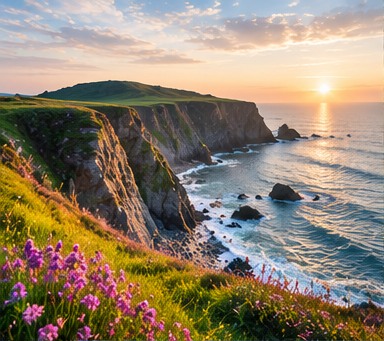
Coastal paths have a way of making geography personal. A headland that appears small on a map becomes a landscape of wind, texture and changing light when explored on foot. For communities, these paths also connect beaches, villages and longstanding traditions of travel.
Why coastal paths matter
Visitors benefit from clear signs, accessible information and practical advice about tides and weather. Local groups, meanwhile, help maintain routes and share the stories of places that can otherwise be overlooked.
Thoughtful tourism begins with simple habits: staying on marked routes, respecting wildlife habitats and supporting nearby businesses. These choices can help preserve the experience for future walkers.
Looking ahead
The most rewarding way to discover a shoreline is often to move slowly, observe its details and leave it as welcoming as it was found.
Our features are designed to provide useful context and encourage closer observation. They do not claim to report breaking events unless independently verified.